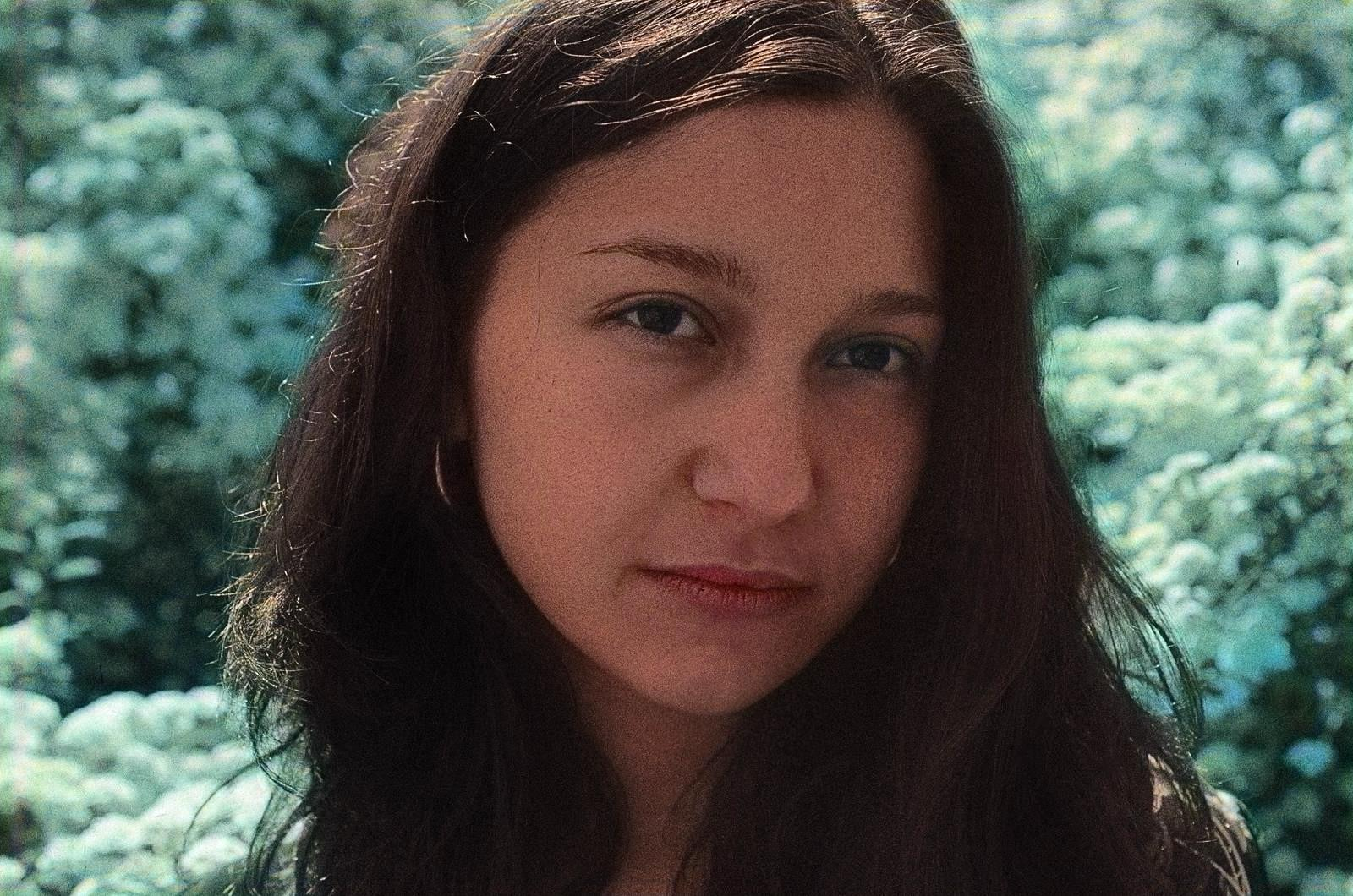
The visual track of this essay follows its own, parallel route. It begins with an early moving image apparatus and wanders into the degraded grammar of analog horror, passing through instructional cards, emergency warnings, surveillance frames, corrupted landscapes, and faces stretched to the point of unrecognition. These images are not arranged as direct illustrations of the films and texts discussed, yet remain caught in the same unease. They ask visually what the essay asks conceptually: How does mediation produce belief, and what will stay when that belief begins to rot?
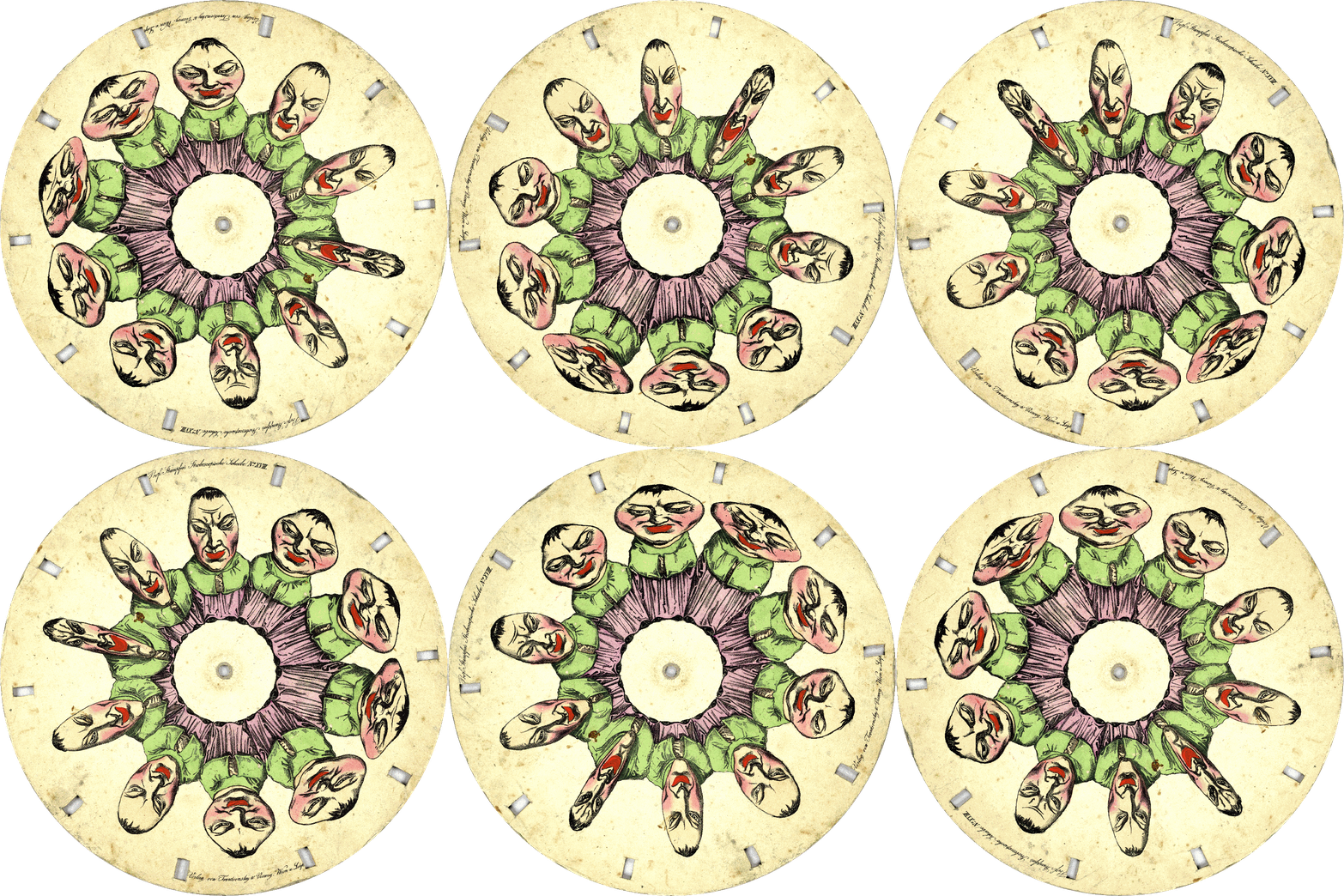
Phenakistiscope disc with distorted figure, 1833. Early optical toy producing motion through repetition and illusion.
While reading Media Archaeology, one can almost hear Erkki Huhtamo’s frustration: the field is rich, but its richness still calls for clear methods. His answer is straightforward: stop chasing the “new” and instead focus on what keeps returning: the cliché, the template, the recurring move. The “new”, he argues, often arrives already dressed in old formulas; while the old continues to provide “molds” for innovation (2011, 14).
Huhtamo calls these returning formulas topoi (singular, topos): “a stereotypical formula evoked over and over again in different guises and for varying purposes” (2011, 28). They travel. They mutate. They change media. And crucially, sometimes, they pass as fact. A topos can be “mistaken for factual statements” (2011, 30), like the travel-writer’s spell of credibility: I saw it with my own eyes.
This slippage between repetition and belief, between formula and fact, finds its most concentrated expression within the horror genre. For horror has always been less interested in truth as veracity than truth as effect, not only through monsters and phantoms, but through the media that carry them. In practice, these media then frame the very conditions under which a story can be believed.
The invention of photography gave this authority a new gravity. André Bazin famously argues that the photographic image gains credibility because it seems to remove the human hand: “between the originating object and its reproduction there intervenes only the instrumentality of a nonliving agent” (1967, 13). The image, he writes, “confers a quality of credibility absent from all other picture making”. Even when cinema lies through framing and montage, it still drags reality into the frame: water stays water; fire stays fire; fear stays fear.
Returning to these persistent tropes, a certain pattern becomes noticeable, especially in horror – the effort to bargain with our wavering faith in “the real”. In the context of Huhtamo’s understanding of topoi, this recurring impulse can be approached as a specific topos which will be referred to here as the topos of factuality. The term is not proposed as a fixed category, but as a way of naming a recurring tendency: the use of mediated authority to make fiction feel disturbingly close to fact. Across time and media, this impulse shifts its form. It appears as a claim to truth in Gothic fiction, later as a performance of truth in found-footage cinema, and most recently as a feeling of truth in analog horror.
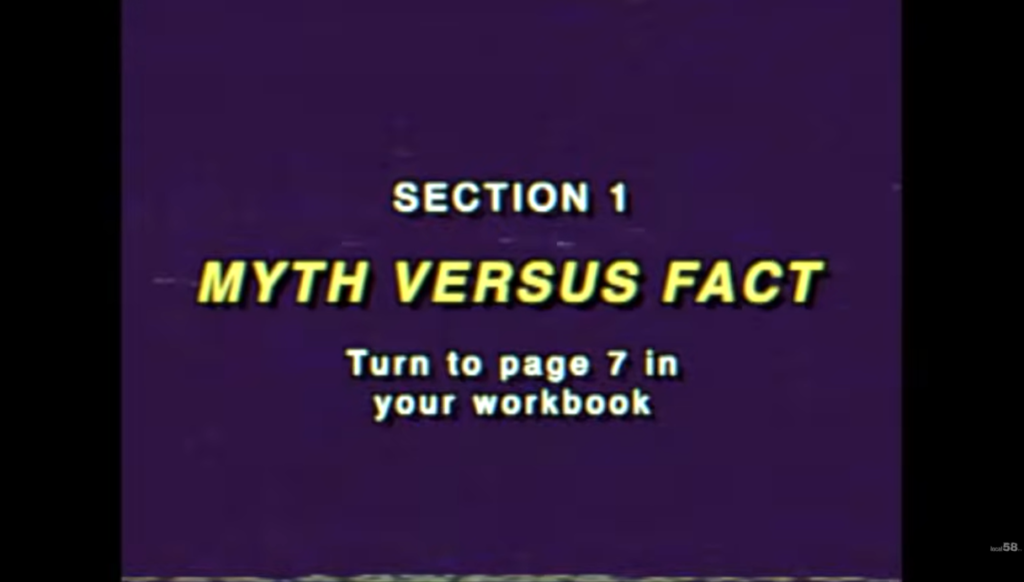
Still from Local58TV, “Real Sleep” (2018), created by Kris Straub Straub. Uploaded Dec 20, 2018. Video still at 00:00:33. Source: YouTube, Local58TV channel.
The Gothic is the clearest place to see the claim. Noël Carroll calls the English Gothic novel “the immediate source of the horror genre” (1990, 4). Fred Botting, meanwhile, reminds us that Gothic is not simply a period style; it “shadows the progress of modernity,” returning alongside new technologies and anxieties (Botting, 1996, 1). Gothic invents monsters but, just as importantly, it invents paperwork around them in discovered manuscripts, lost letters, editors’ notes, and eyewitness testimonies.
Horace Walpole’s The Castle of Otranto (1764), often cited as the first Gothic novel, performs this breakdown of certainty through artifice. It presents itself as a medieval text “discovered” and “translated” by a fictitious editor William Marshall. Walpole borrows an already familiar eighteenth-century maneuver to mask authorship and intensify historical plausibility: “the authenticating device of the discovered manuscript” (Punter & Byron, 2004, 177). Here, factuality is a disguise, as the narrative itself asks to be received as evidence.
A century later, with Dracula (1897), the device was formalized. The novel is structured through letters, diary entries, newspaper clippings, and phonograph recordings, building its narrative from the newest recording technologies of its time. Journals, typewriters, and wax cylinders all function as technological witnesses, lending credibility through their status as modern tools of inscription.
And then the claim jumps carriers again. In 1938, Orson Welles’s War of the Worlds broadcast borrows the voice of live news. Live reports interrupt the music program. Correspondents speak from the field. Urgency in place of narration. Later research complicates the popular myth of nationwide panic, but the event remains a landmark because it exposed how quickly mediation can impersonate fact (Potter, 2003). The old Gothic trick, truth as a framing device, had found a new machine.
Still from The Mandela Catalogue Vol. 1 [Restored Edition], created by Alex Kister. Uploaded April 5, 2023. Video still at 00:00:46. Source: YouTube, Alex Kister channel.
If Gothic fiction relied on a claim of truth, then found-footage horror refines that gesture into performance. The familiar Gothic gesture remains, but the carrier changes: instead of “discovered” material, we are presented with footage that claims to have been genuinely recorded. The subgenre emerged in the second half of the 20th century, with early articulations of its logic visible in educational safety films of 1950.
A decisive early rupture occurs with Ruggero Deodato’s Cannibal Holocaust (1980), framed as recovered footage shot by a missing crew. The camera is fully embedded in the fiction; it moves through the jungle, records the events, and ultimately disappears along with its operators. The film’s afterlife deepened its immersion, with Deodato’s arrest and his need to prove in court that the actors were actually alive and that it was all just a film.
In this case, it is apparent that what mattered was not belief in the events, but in their recording. As Alexandra Heller-Nicholas describes, the pleasure of found footage resides in a strange double-knowledge: we rationally “know” the supernatural is not true, and yet the delivery system, the simulation of documentary recording, is one we associate with reliable information, so the unreal briefly becomes re-imaginable as real (2014, 22).
This tension is most famously articulated in The Blair Witch Project (1999, dir. Daniel Myrick & Eduardo Sánchez). There, a raw aesthetic is adopted: minimal traces of conventional cinematography and art direction; handheld camerawork, and key action sequences set off camera or in darkness (Aloi, p. 187), alongside editing and sound design that emphasize immediacy and intensify the sense of disturbance. However, what generates the strongest sense of danger is positioning the camera within the diegesis.
The handheld footage transforms the cameraman into both witness and victim, or what McRobert calls the “cruel immediacy” of found footage (2015, 142). Sayad extends this, arguing that “when the camera trembles, the image ceases to be a window and becomes a body, vulnerable to shocks, shakes and wounds (2021, 60). The camera collapses the boundary between seeing and feeling, and the spectator begins to experience a sense of physical participation.
The impression persists beyond the image, through unknown actors, shared names between performers and characters, fabricated missing-person reports, and early internet mythmaking, which blends fiction with its own circulation.
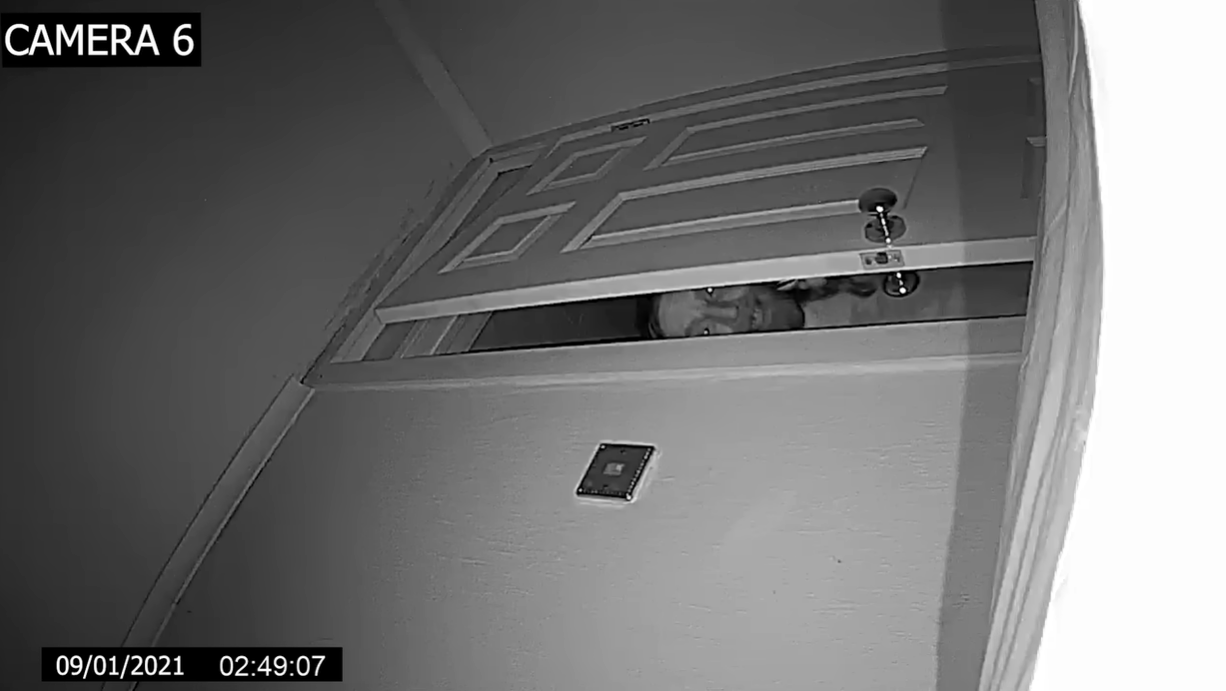
Still from the short film Exposure (2024), directed by Kris J. Cummins. Source video still at: 00:06:48. Source: Exposure (2024), short film.
With Paranormal Activity (2007, dir. Oren Peli), this logic moves indoors. Horror leaves the unknown forest and enters the familiar bedroom. Surveillance cameras replace handheld panic, initiating a fixed, observational gaze that watches while its subjects sleep. The aesthetic is calmer, more controlled, yet no less unsettling. Stability itself becomes ominous. Long takes and static frames invite attention to corners, edges, and absences, turning anticipation into the primary source of fear.
As the 2010s began, found footage slowly exhausted its reserves of immediacy. The shaky camera and improvised panic had become codified conventions that viewers could easily anticipate. Luckily, in the ruins of digital credibility, a new aesthetic emerged from the margins of the dark web: analog horror.
-
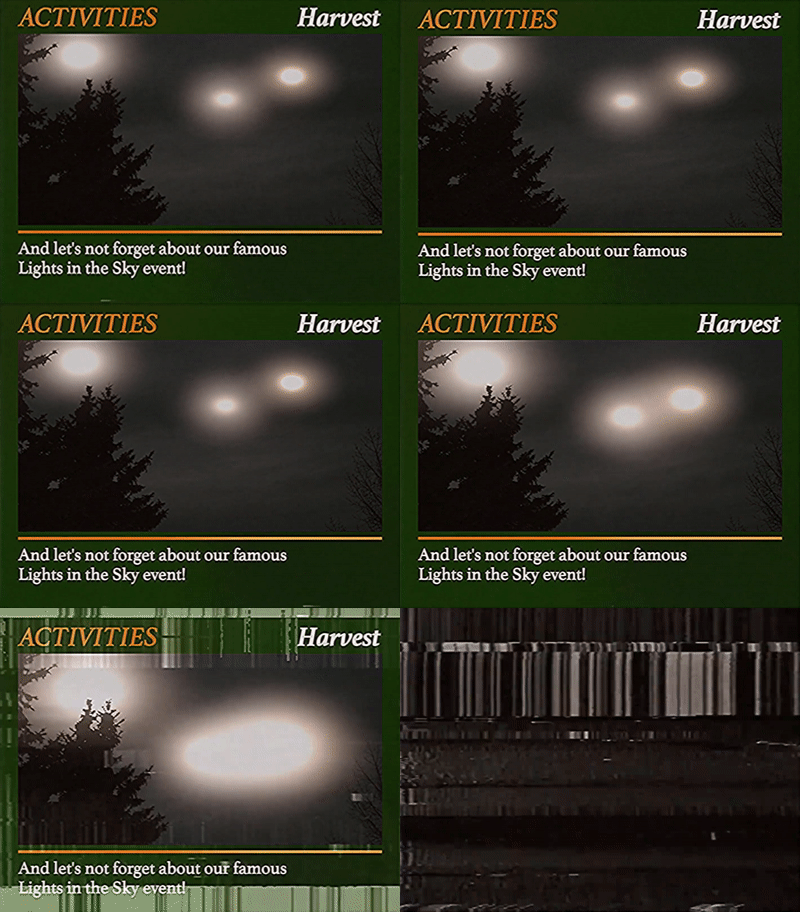
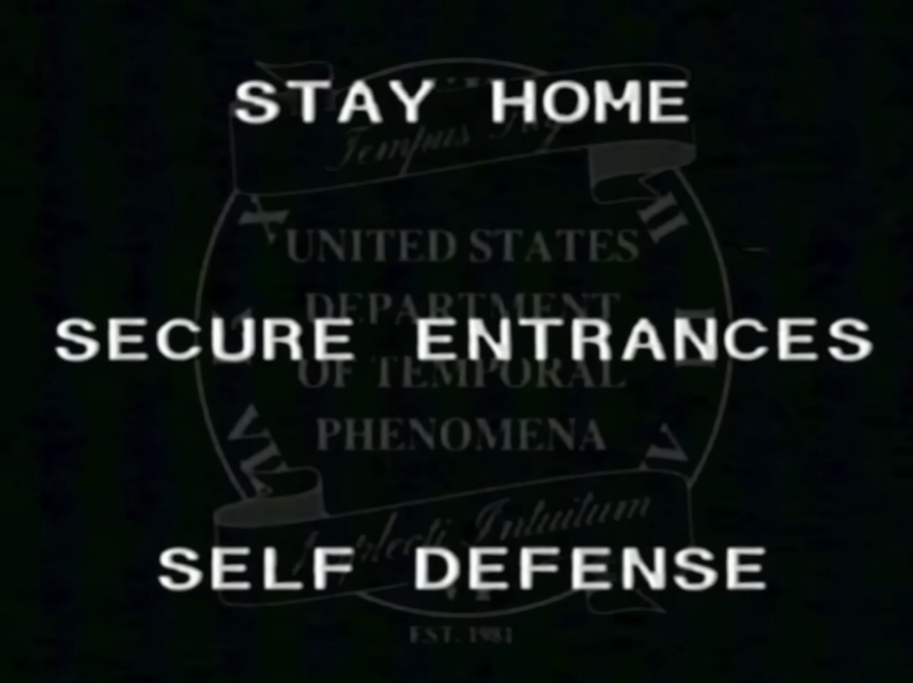
- Animated GIF derived from a still in CAMP INFORMATION VIDEO (Gemini Home Entertainment), created by Remy Abode Original video uploaded March 2, 2020 Source video still at 00:01:30 Original source: YouTube, Gemini Home Entertainment channel (2020), created by Remy Abode
Analog horror originated in early internet horror culture, specifically creepypasta, also known as “digital gothic” (Balanzategui, 2021, 146). A portmanteau of “creepy” and “copypasta”, creepypasta refers to user-generated short horror narratives designed for easy copying and viral circulation across online forums. Emerging on platforms such as 4chan and Reddit, it developed as a form of networked digital folklore, upheld by collective suspension of disbelief (Cooley, 2018, 194-195)
Inspired by these text-based myths, independent creators began to translate the logic of creepypasta into moving images. Early examples can be seen in short, viral clips focused on uncanny domestic spaces, empty corridors, and distorted home videos. Notable examples include Marble Hornets (2009, Troy Wagner & Joseph DeLage), which is based on the “Slender Man” myth (2009, Eric Knudsen and later developed collectively online), and This House has People in It (2016, Alan Resnick). These works share an interest in the medium as a possessed object, such as TV broadcasts, VHS tapes, and security footage. All these became vessels for suppressed fears that were explored through dated audiovisual media, to evoke a sense of authenticity and unease.
As a result, web series like Local58 (2015, Kris Straub), Gemini Home Entertainment (2019, Remy Abode), and The Mandela Catalog (2021, Alex Kister) stage themselves as simulations of retro media, such as emergency broadcasts, taped documentaries, weather alerts, and public service announcements. The realism they convey is not in narrative probability and plausibility, but in texture – the VHS grain, distorted audio, static interface, and soft buzz of CRT screens. As Emma Culver notes, these degraded, outdated aesthetics recycle familiar media formats to evoke a sense of collective memory and cultural loss (2014, 3-5).
Episodes in these series range from a couple of seconds to half an hour and vary in their format, from animated images and old home videos to pseudo-scientific tapes of planets, without a clear beginning or end. This lack of consistency in form and structure contributes to their effect, rendering the episodes less staged, more accidental and therefore more real (Fulbright, 2023, 7-8).
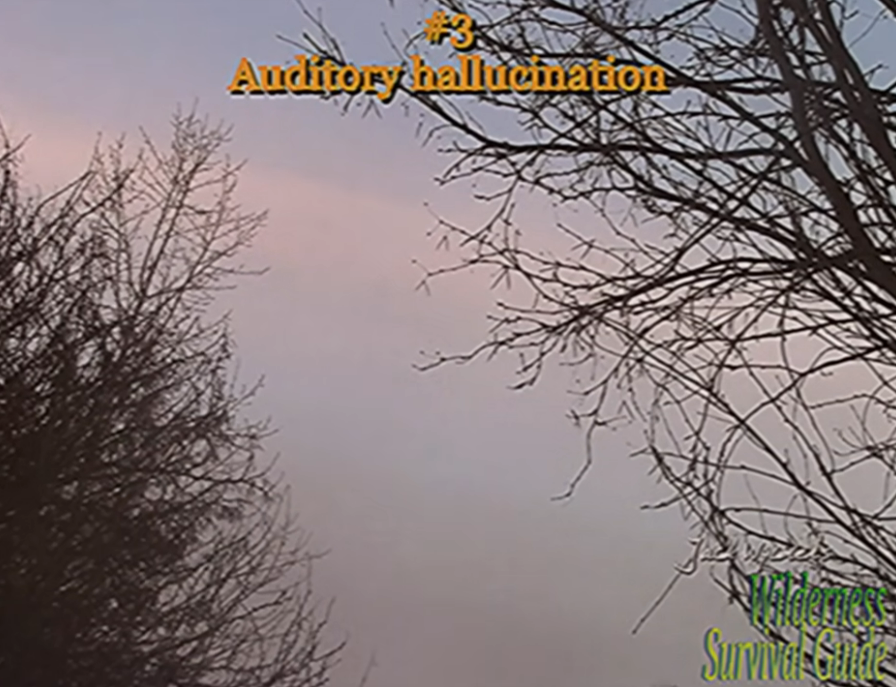
Still from WILDERNESS SURVIVAL GUIDE (Gemini Home Entertainment), created by Remy Abode.Uploaded May 6, 2020.Video still at 00:03:43. Source: YouTube, Gemini Home Entertainment channel.
In this sense, analog horror encompasses what Bazin called the “credibility” of mechanical reproduction (1967, 13), but in reverse. Contrasting Bazin, who believed that the automation of the camera brings truth, the degraded automation in analog horror calls up ghosts of truth, the remains, the traces of what was once believed. In her essay on haunted data and transmedial storytelling, Lisa Blackman describes the digital age as possessed by outdated technologies and their epistemologies. She notes that digital media, in this way, replays the ghosts of earlier forms of mediation (2019, 38), suggesting that it preserves the conviction of older truth claims, even when their technical foundations have disappeared. In analog horror, obsolete formats (VHS tapes, CRT screens, emergency newscasts) retain a residual authority that was once ascribed to broadcast and recorded media. Their degradation does not negate this credibility but transforms it into a memory of trust – less evidence than an affective echo of evidence. Thus, the topos of factuality mutates again, from performance to feeling: the aesthetics of ‘the real’ replaces the evidence of reality.
This phenomenon can be observed in Mark Fisher’s idea of the eerie – “a failure of presence and the agency of the absent” (2016, 61). In analog horror, the eerie does not arise from monsters, or demons, or ghosts, but from the malfunction itself. When TV and radio continue to broadcast even after their correspondents are gone, when voices echo from absent bodies, the familiar signals of trust have been subverted. These works revive the aesthetics of familiarity and reliability, only then to corrupt them: the horror lies in what the medium leaves out.
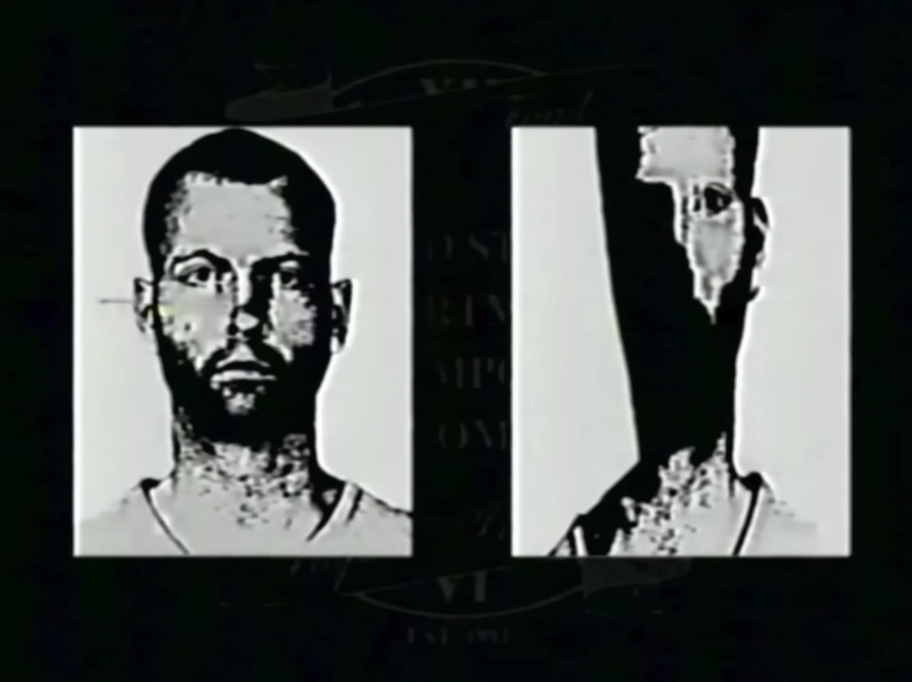
Still from The Mandela Catalogue Vol. 1 [Restored Edition], created by Alex Kister.
Uploaded April 5, 2023. Video still at 00:02:28. Source: YouTube, Alex Kister channel.
This collective aesthetic is also recognizable in the very mode of production. Erkki Huhtamo argues that “topoi are created, transmitted, and modified by cultural agents operating in historically specific circumstances” (2011, 34). In the case of analog horror, these cultural agents are not studios, but a scattered online community: independent authors, fans, creators, anonymous users, enthusiasts who, through cooperation, build and expand a fictitious archive. As Marija Juko writes in her analysis of the web series Archive 81 (2022, Rebecca Sonnenshine), this model of “archival world building” turns horror into a participatory act of preservation, where viewers are simultaneously witnesses and curators of fear (2024, 174). As a result, this impression of the real is produced through interaction, through engagement in comment sections, fan edits, and re-uploads that sustain the fiction’s supposed foundness. This collectivity makes analog horror a deeply personal experience, reinforcing what is referred to here as the “feel of the real”.
Creators and fans of analog horror are predominantly Millennials and Zoomers who, having grown up during a time of digital saturation, are fascinated by the tangible aesthetics of analog technology. Fulbright argues that the unease of analog horror is exactly this “nostalgia without memory” – a longing for an era never lived (2023, 16-17). If one never truly lived through the past one longs for, then that nostalgia never truly belonged to them. In other words, it is not the return to a personal memory, but to an image of the past encountered through media. This attachment is indirect, second-hand and already mediated. It is this distance between lived experience and inherited recollection that produces the uncanny. Familiar media forms from childhood, such as cartoons and video games, resurface but appear slightly displaced, faintly distorted, as if remembered through someone else’s memory. It is within this displacement that the uncanny takes hold.
Analog horror can be seen as a kind of haunted collaboration, which rests on the aesthetics of degradation, the ethics of participation, and a shared nostalgia for obsolete media that appears intimate and alien. In this sense, the topos of factuality matures: once dependent on a solitary author’s voice asserting their truth, it now functions as a shared construct within a collective. It becomes part of each contributor’s experience and is gradually democratized through interaction. With each repost and re-edit, the impression of authenticity is nourished through continuous remediation.
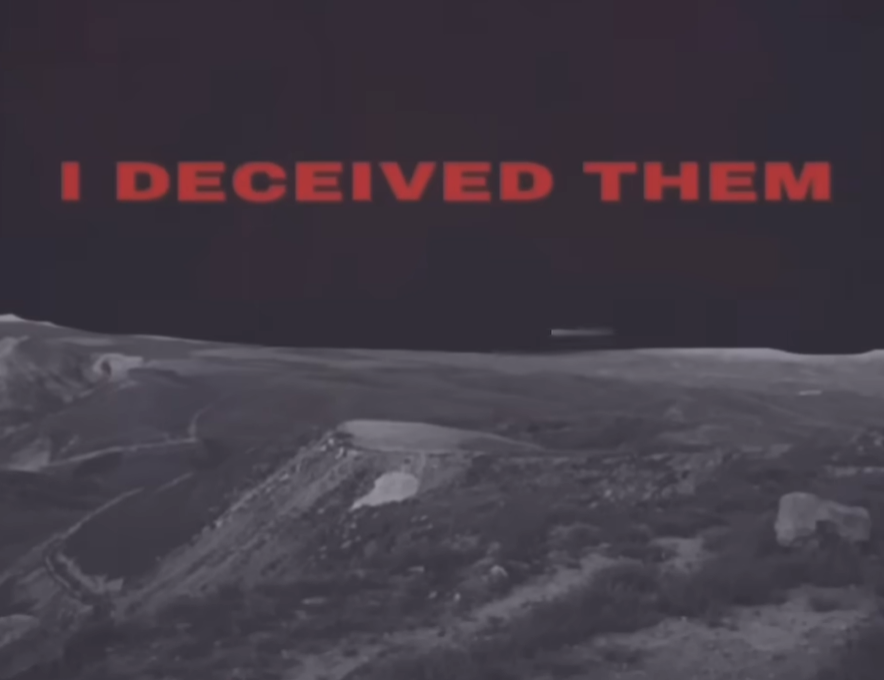
Still from The Mandela Catalogue – Overthrone, created by Alex Kister.Uploaded June 10, 2021.Video still at 00:03:08. Source: YouTube, Alex Kister channel.
For centuries, horror has tested our connection to the real. It has borrowed many credible forms – diaries, cameras, broadcasts – only to twist them, reminding us that what we see and what we believe are never quite the same thing. If the camera once guaranteed reality, then analog horror shows what happens after that belief withers. Its degraded images and possessed signals do more to remember the truth than to prove it. What remains is, as Sayad describes it, “the having been there” of the image (as cited in Kressbach, 2023, p. 161), a synchronized imprint of presence and absence. Yet the fascination does not wane. Possibly because horror’s pleasure lies in the knowledge that something we rationally perceive as unreal can, for a split second, be re-imagined as real precisely because of the form that carries it. This fragile trust is what horror continually plays with, but also motherly shelters.
As AI-generated images and synthetic media flood our screens and lives, the question arises: will anything ever be believable again? What if horror is the last bastion of a genre capable of teaching us to recognize and still feel the truth? Perhaps horror fans, loyal, obsessive, dedicated, creative, are the ones who will defend that bastion by transforming themselves into cultural agents, in Huhtamo’s sense: taking the tools into their own hands and preserving, or distorting, or reviving the “real”. In their hands, horror becomes a form of labor and love, a space where faith still wavers, and in that wavering the topos of factuality remains – fragile, collective, and oddly human.
Bibliography
Aloi, P. (2005). Beyond the Blair Witch: A New Horror Aesthetic. In G. King, Spectacle of the Real: From Hollywood to ‘Reality’ TV and Beyond (pp. 187-200). Intellect.
Balanzategui, J. (2021). The Digital Gothic and the Mainstream Horror Genre. In E. Falvey (Ed.), New Blood: Critical approaches to contemporary horror (pp. 147–164). University of Wales Press.
Bazin, A. (1967). The ontology of the photographic image. In H. Gray (Ed.), What Is Cinema? (Vol. 1. pp. 9-16). University of California Press.
Blackman, L. (2019). Haunted data, transmedial storytelling, affectivity: Attending to “controversies” as matters of ghostly concern. Ephemera, 19(1), 31–52.
Botting, F. (1996). Gothic. Routledge.
Carroll, N. (1990). The Philosophy of Horror: Or, Paradoxes of the Heart. Routledge.
Cooley, K., & Milligan, C. A. (2018). Haunted objects, networked subjects: The nightmarish nostalgia of creepypasta. Horror Studies, 9(2), 193-211. https://doi.org/10.1386/host.9.2.193_1
Culver, E. E. (2024). Analog Horror and the Internet: The Mandela Catalogue and the Uncanny Reality of Mediation. Georgia Institute of Technology. https://shorturl.at/30RaJ
Fisher, M. (2016). The Weird and the Eerie. Repeater Books.
Fulbright, F. (2023). The terror of nostalgia: Analyzing the analog horror phenomenon. University of Texas.
Heller-Nicholas, A. (2014). Found footage horror films: Fear and the appearance of reality. McFarland.
Huhtamo, E. (2011). Dismantling the fairy engine: Media archaeology as topos study. In E. Huhtamo & J. Parikka (Eds.), Media archaeology: Approaches, applications, and implications. (pp. 27- 47). University of California Press.
Juko, M. (2024). Archiving horror: Archive 81 and the Haunting of Analogue Media. In C. Sachar (Ed.), No more haunted dolls: Horror fiction that transcends the tropes (pp. 167–180). Vernon Press.
Kressbach, M. (2023). The ghost in the image: Technology and reality in the horror genre, by Cecilia Sayad. Alphaville: Journal of Film and Screen Media, 25, 160–165. https://doi.org/10.33178/alpha.25.15
McRobert, N. (2015). Mimesis of media: Found footage cinema and the horror of the real. Gothic Studies, 17(2), 137-150.
Potter, L. A. (2003). “Jitterbugs” and “crack-pots”: Letters to the FCC about the War of the Worlds broadcast. Prologue Magazine, 35(3).
Punter, D., & Byron, G. (2004). The Gothic. Blackwell.
Stoker, B. (1897). Dracula. Archibald Constable.
Walpole, H. (1764). The castle of Otranto. Thomas Lownds.
Filmography
Cannibal Holocaust (1980). Dir. Ruggero Deodato. Italy.
The Blair Witch Project (1999). Dir. Daniel Myrick & Eduardo Sánchez. USA.
Paranormal Activity (2007). Dir. Oren Peli. USA.
Exposure (2024). Dir. Kris J. Cummins. Short film.
Web series / Digital works
Marble Hornets (2009–2014), created by Troy Wagner & Joseph DeLage, web series.
Local58 (2015– ), created by Kris Straub, web series:
– “Weather Service” (2016)
– “Real Sleep” (2018)
This House Has People in It (2016), created by Alan Resnick, short film / Adult Swim.
Gemini Home Entertainment (2019– ), created by Remy Abode, web series:
– “Camp Information Video” (2020)
– “Wilderness Survival Guide” (2020)
The Mandela Catalogue (2021– ), created by Alex Kister, web series:
– “Overthrone” (2021)
– “Vol. 1” (2023)
Archive 81 (2022), created by Rebecca Sonnenshine, television series.
Internet Myth
Slender Man (2009). Created by Eric Knudsen; later developed collectively online.