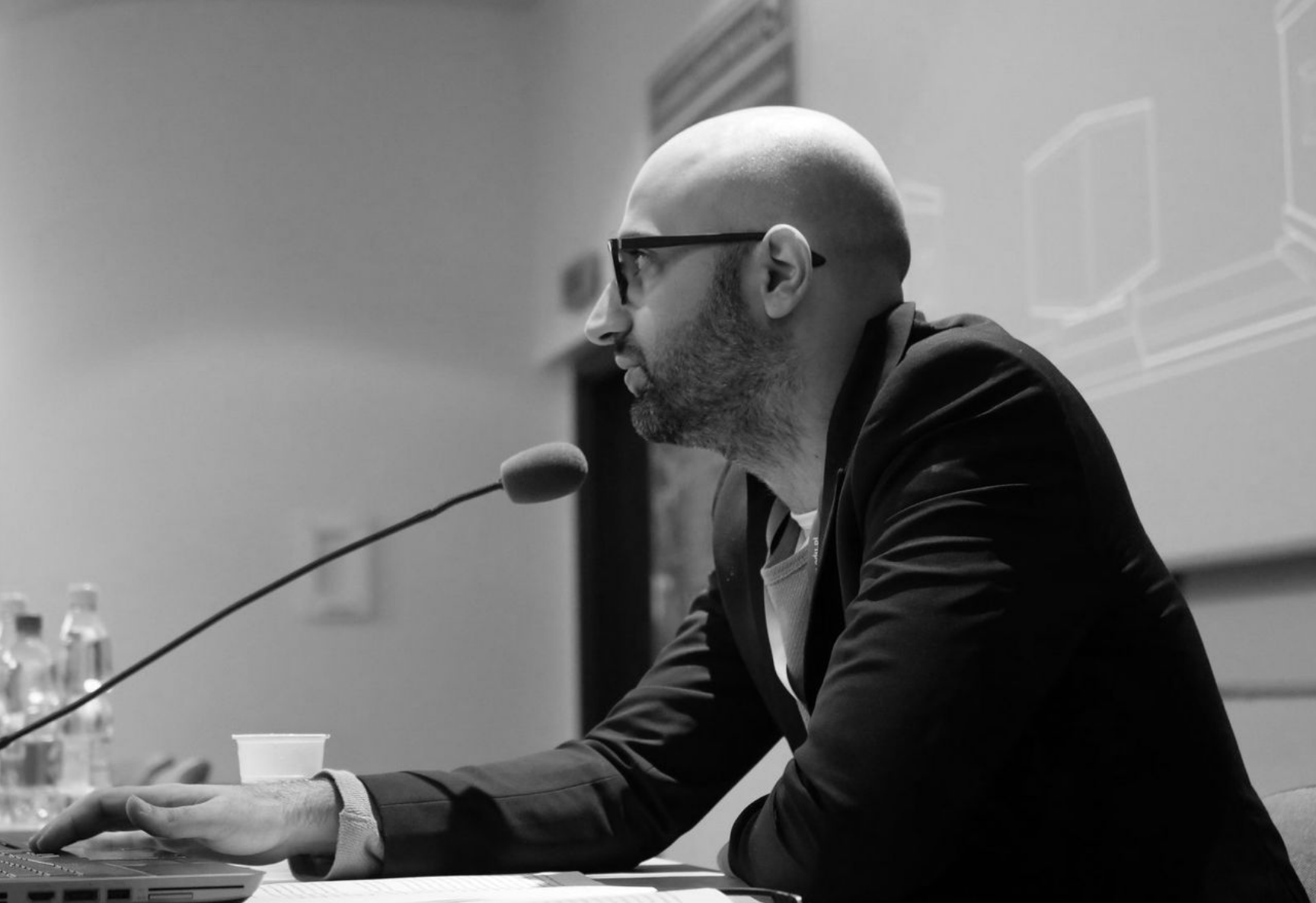
Developed from the Operating Table installation (2021–26), this text considers how algorithmic vision produces forms of visual disturbance in which the human image is reconstituted through computational perception.
The Ultralytics YOLO — You Only Look Once — algorithm for object detection, incorporating segmentation in digital images, was deployed as part of the Operating Table installation along Nicosia’s border. Within the installation, mounted against the barrel barricade walls, inhabitants are invited to position their heads inside a tabletop cavity where they encounter two viewing peepholes. Through these apertures, they observe stereoscopic images of themselves composited with backgrounds drawn from the inaccessible buffer zone, interwoven with images of other participants, and so on.
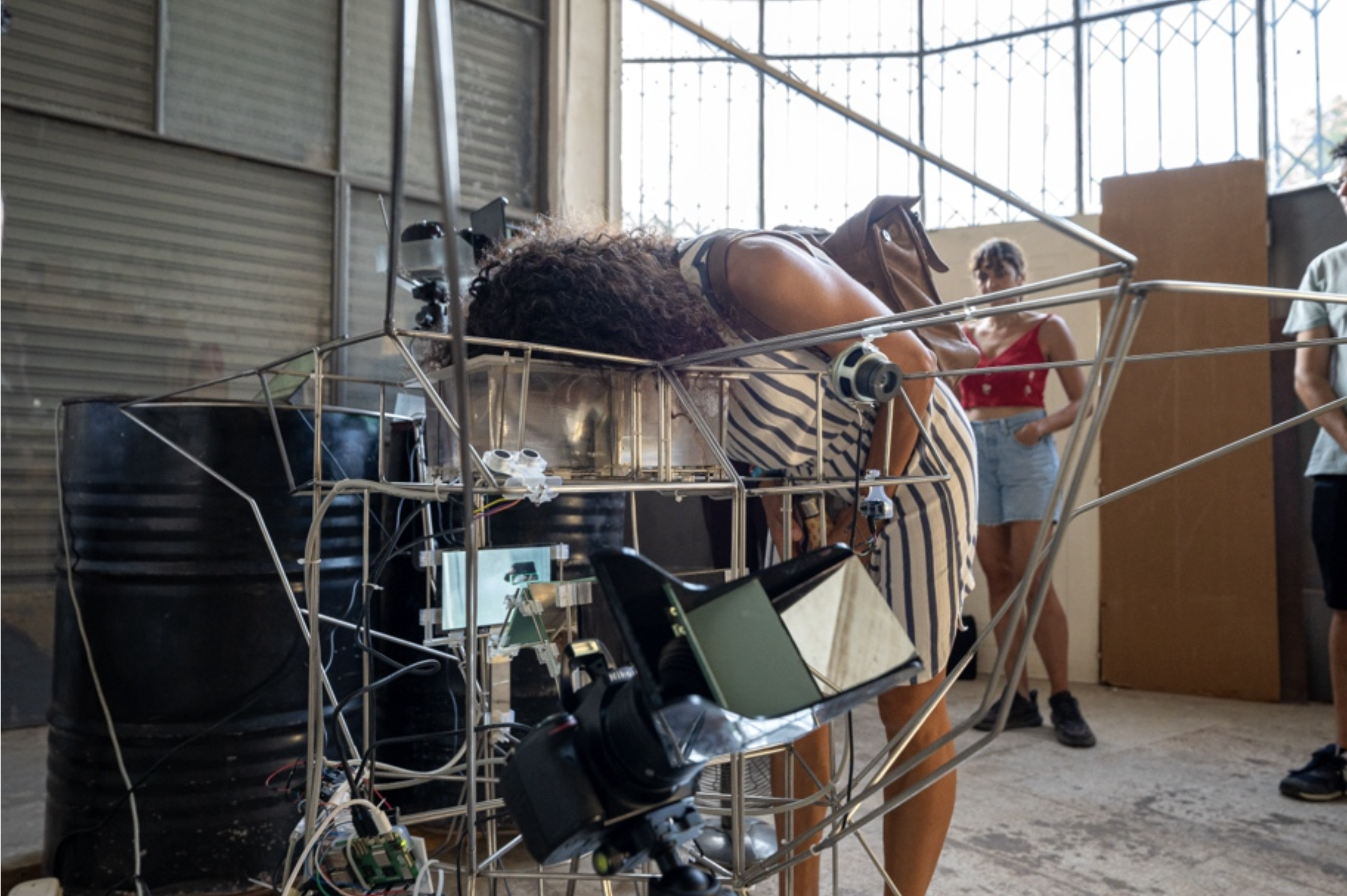
Figure 1. Operating Table, staged at the 2024 Xarkis Festival, Nicosia. Participant positioning their head inside receptacle. Photograph by Phivos Philitas. Copyright: Author.
Some images adopt a computer vision logic in which cropped human figures and objects are categorised according to algorithmic determinations. The remotely captured photographs — triggered by sensors — produce figures severed from their backgrounds. In this operation, the data-image emerges as an assemblage exceeding human intention and conventional modes of signification. Through this machinic re-inscription of bodies, the work mobilises an aesthetic of digital horror: algorithmic vision generates an uncanny surplus, producing images haunted by automated logics that see other than the human eye.
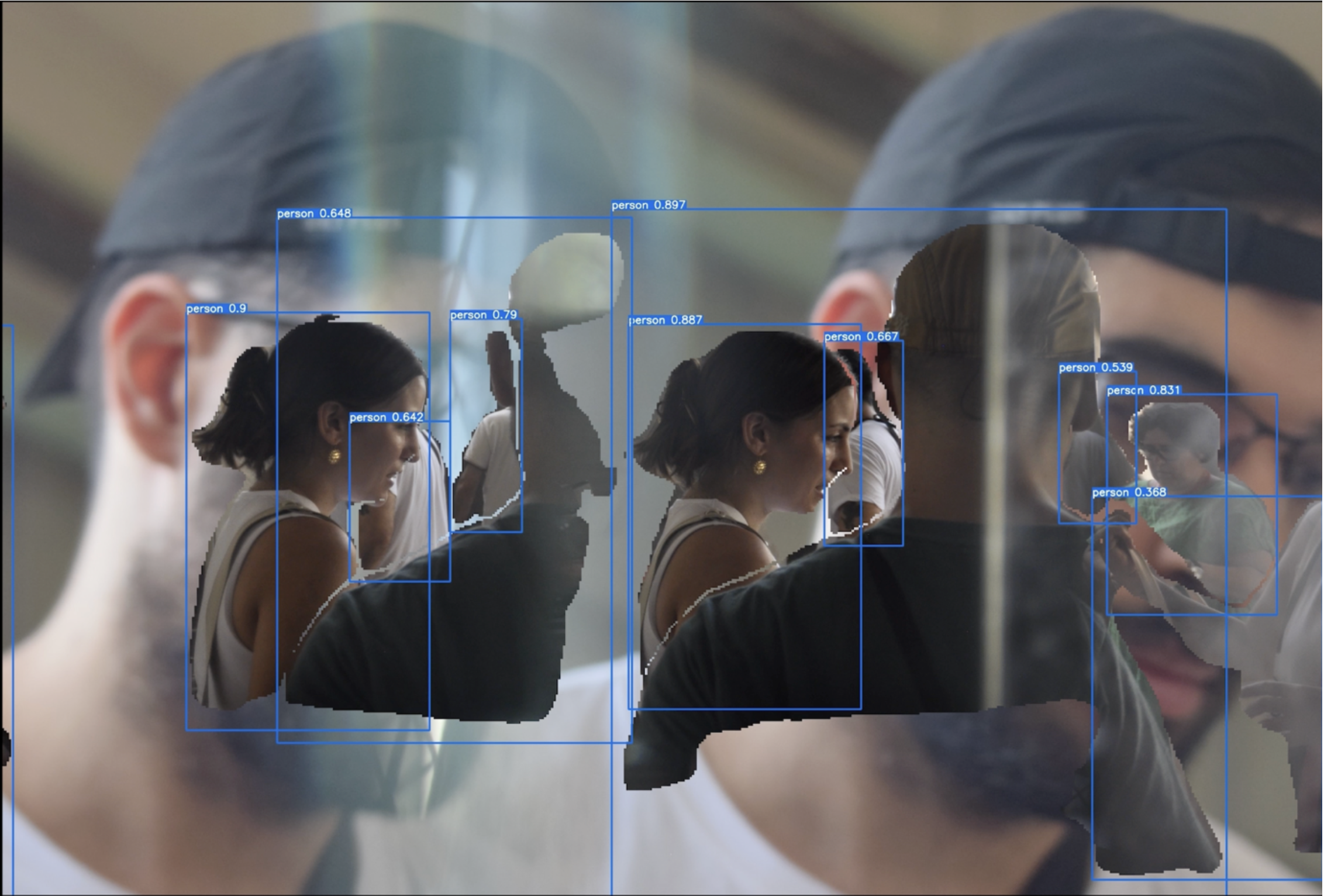
Figure 2. Operating Table, staged at the 2024 Xarkis Festival, Nicosia. View of machine-generated composited images. Copyright: Author.
As we navigate a world saturated by omnipresent computational vision — where bodies are already apprehended as data assemblages — the limits of human and machine perception begin to surface. The digital self drifts beyond the actual self.
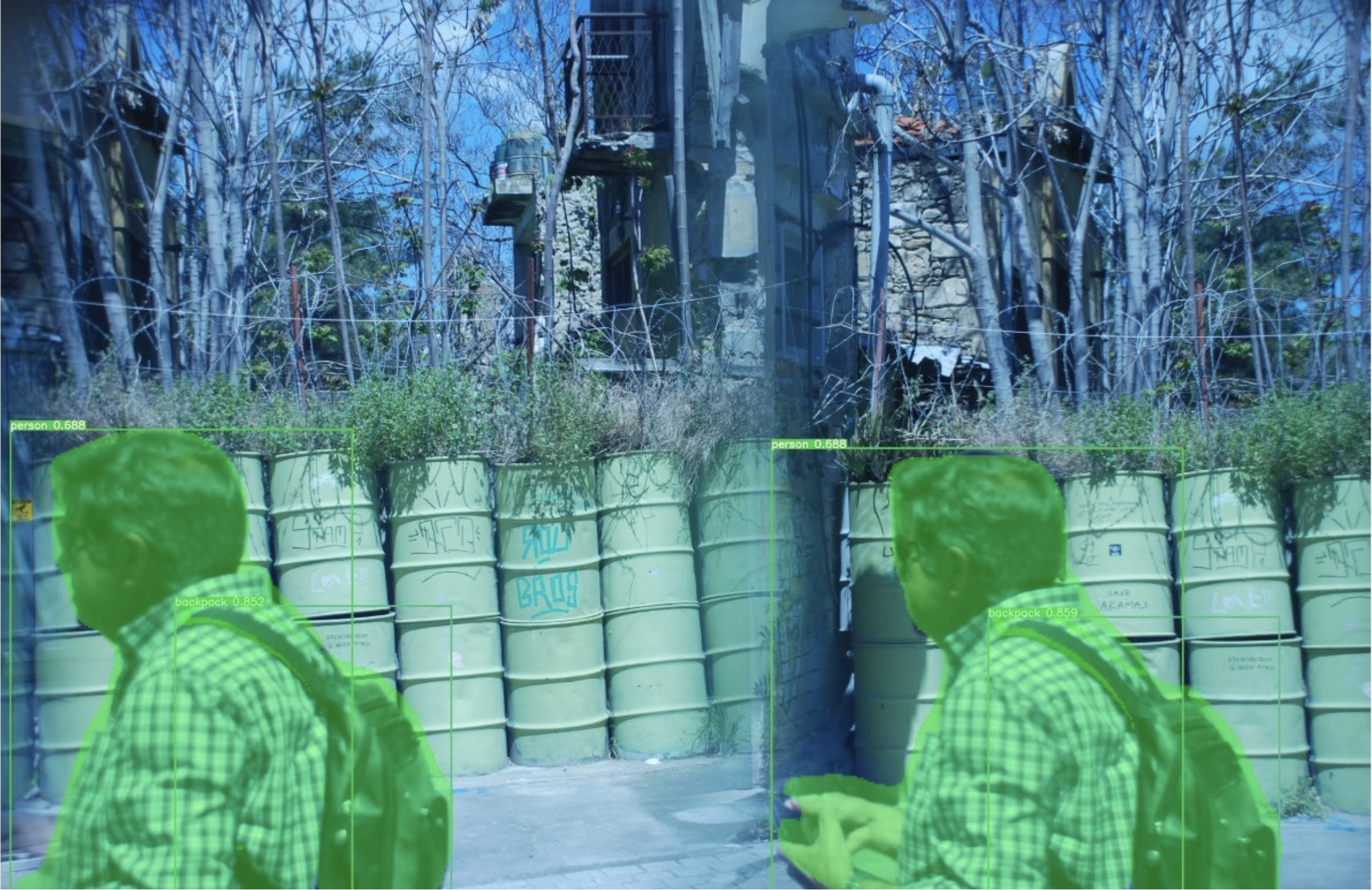
Figure 3. Operating Table, Ledenes street, Nicosia. View of machine-generated composited images. Copyright: Author.
In this encounter, one becomes caught seeing oneself from the position of another. One is suspended between embodied human vision and its projection through a generated digital image. With analogue photography, as Roland Barthes proposed, the self could experience a moment that “pierces” the viewer — an intensive affect. In Camera Lucida, Barthes attributes this to the immediate relation between the viewer’s identity and its disturbance by the represented image. This is the punctum: the defining element of a photograph that produces an intense affect, a “superimposition of reality and of the past” (Barthes 2000, 76).
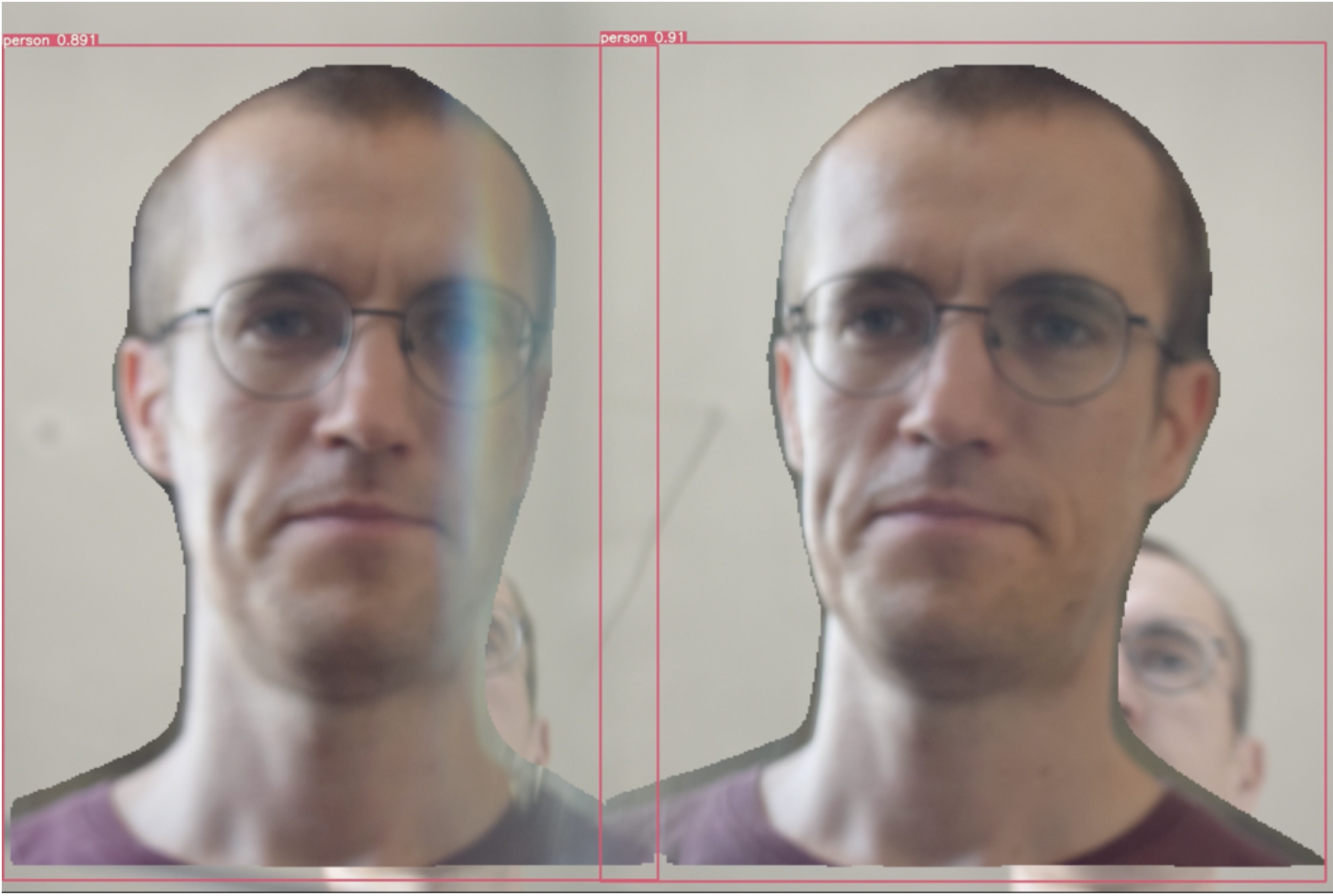
Figure 4. Operating Table, staged at the 2024 Xarkis Festival, Nicosia. View of machine-generated composited images. Copyright: Author.
Yet the punctum was always grounded in human subjectivity. Operating Table revisits this condition under digital mediation, asking how the punctum mutates when the image is no longer simply captured but computed. Here, disturbance no longer resides solely in memory, loss, or temporal disjunction, but in something more disquieting: the recognition that one’s image is produced, segmented, and classified by machinic perception.
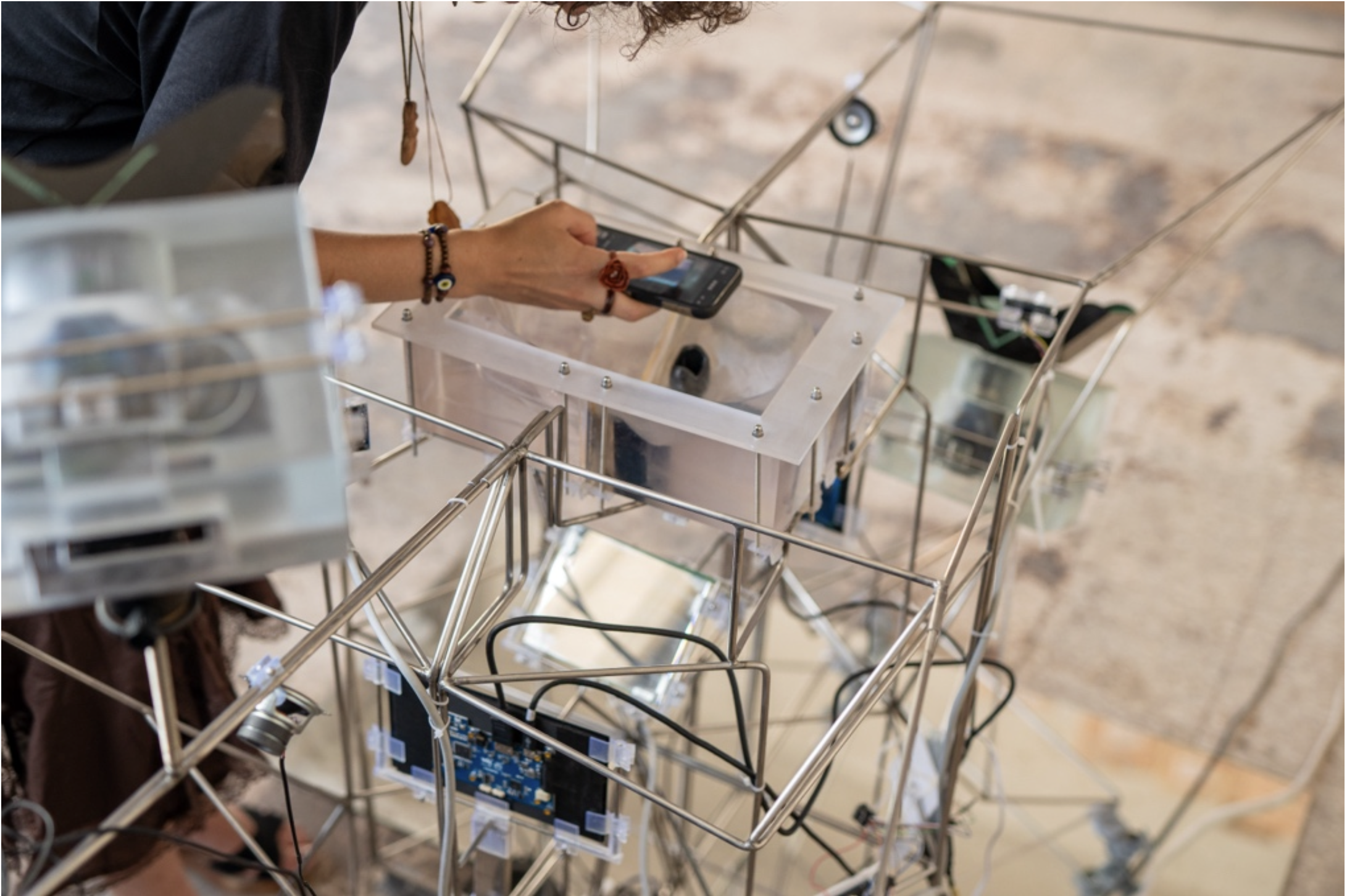
Figure 5. Operating Table, staged at the 2024 Xarkis Festival, Nicosia. Participant photographing the view through the peepholes with a smartphone. Copyright: Author.
The wound of the photograph becomes algorithmic. The punctum no longer pierces — it proliferates. And within this proliferation, the work returns to digital horror: not as spectacle, but as the subtle dread of encountering a self already processed, already interpreted by a vision that is not human.
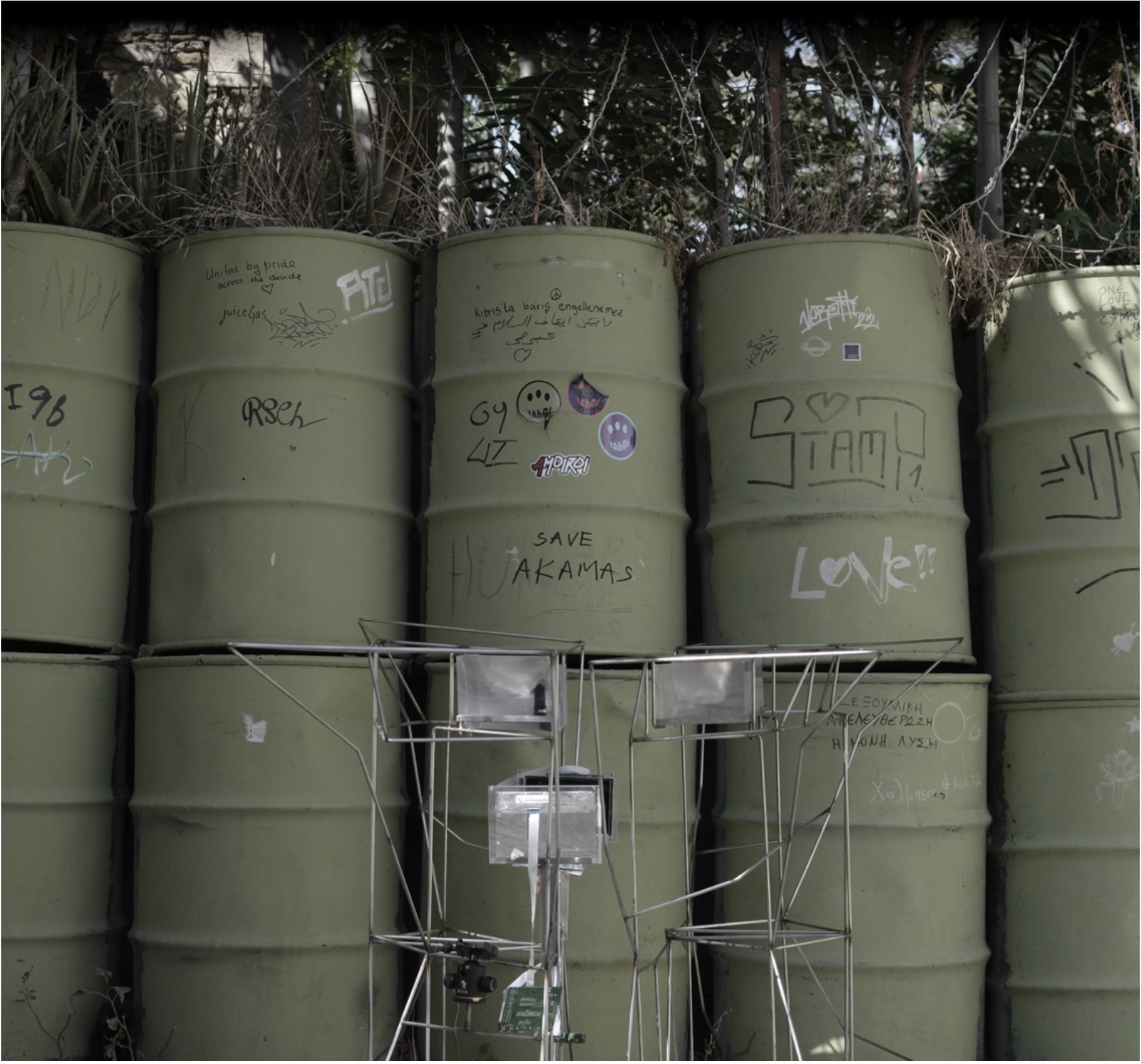
Figure 6. Operating Table, Ledenes street, Nicosia.
References
Jocher, G. et al. (2023) Ultralytics YOLOv8 Documentation. Available at: https://docs.ultralytics.com (Accessed: 10 May 2026).
Barthes, R. (2000) Camera Lucida: Reflections on Photography. Translated by R. Howard. London: Vintage.
Acknowledgements:
I acknowledge the use of ChatGPT purely for language editing purposes.
Operating Table software engineer: Savvas Socratous, Metal fabrication: Thomas Thoma.